



Empowering women farmers through sustainable agriculture and leadership
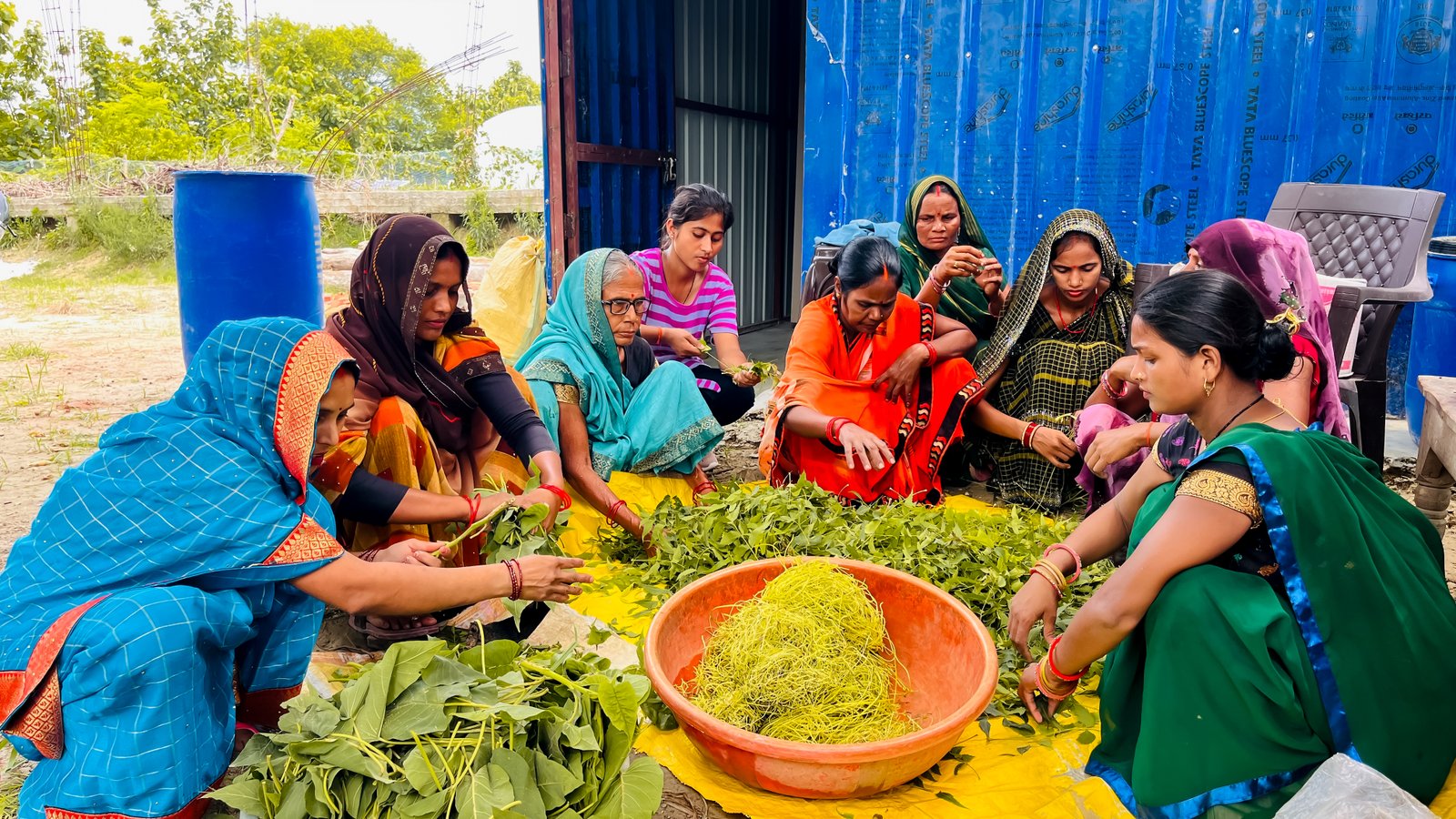
Trust Community Livelihoods works to improve the lives of women farmers in Eastern Uttar Pradesh through sustainable agricultural practices.
Women are trained as leaders and catalysts for change, enabling them to uplift their communities through knowledge and action.
Women become self-reliant leaders who continue driving long-term development in their villages.
Eco-friendly practices to increase income and protect nature.
Training women to lead and influence their communities.
Creating sustainable economic and social development.
Our impact across regions and communities
Districts
Blocks
Farmers
Goat Farmers
Driving sustainable agriculture and farmer prosperity
Promoting vegetables like chilli, potato, onion, okra and cucurbits to increase farmer income. These crops provide higher returns and allow multiple cropping due to shorter duration.
Improving productivity of crops like maize, wheat, paddy, lentil and pulses through better practices, ensuring food security and increased income for farmers.
Enhancing soil quality through organic manure, bio composting and sustainable practices. Over 11,576 acres covered to improve productivity and reduce chemical dependency.
Promoting water-saving techniques and solar irrigation pumps. 190+ pumps installed to reduce costs and enable additional crop cycles.
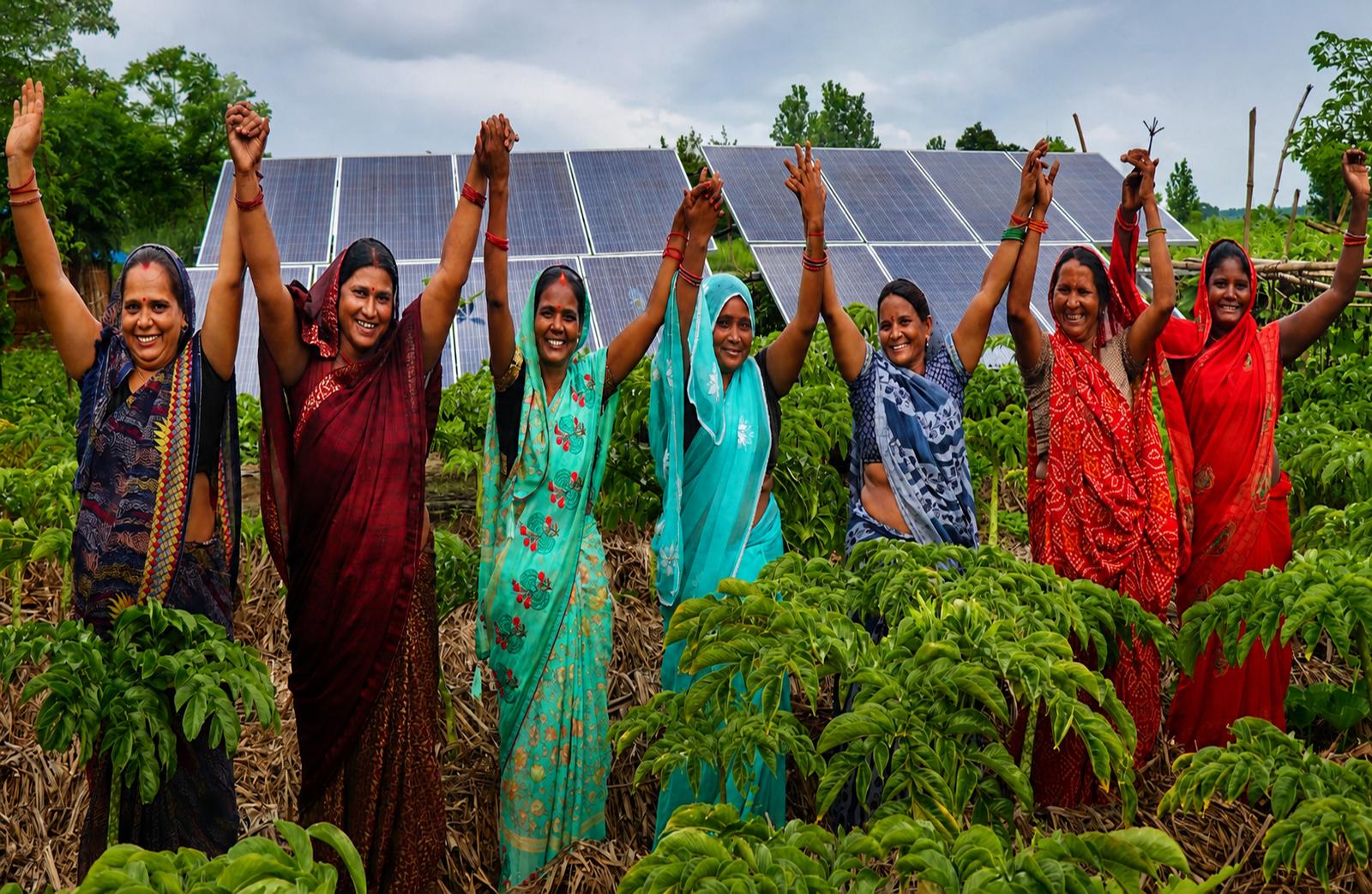
TCL has been working with marginalized and underprivileged communities, believing that even the weakest sections have the potential to drive their own social, economic and political development.
Our key stakeholders include women farmers, rural youth, children, and migrants. We empower them to become change agents and take collective decisions through strong community organizations.
TCL forms community organizations and builds their capacity so that stakeholders gradually take ownership. This ensures long-term sustainability and self-reliance.
TCL is creating a structured approach by forming Producer Groups (PG) at the village level. Members work together on similar crop cycles, support each other, and collectively procure inputs and sell produce.
PG women are becoming members of Udyami Mahila Producer Company Ltd., which provides quality inputs and technical support, strengthening community empowerment.
Education plays a pivotal role in a society's socio-economic development, unlocking human potential and fostering a just and equitable society. The United Nations' 2030 agenda emphasizes inclusive, high-quality education for all.
Uttar Pradesh faces challenges like low parental support for home-based learning, contributing to a 73% literacy rate below the national average. TCL’s Education Programme in Eastern UP (started in 2016) addresses these gaps in underdeveloped areas.
The program is implemented in 200 Government Primary Schools in Bahraich district using two approaches: Intensive (40%) and Extensive (60%), focusing on direct intervention and teacher training.
2302 Classroom Demonstrations on Language, Mathematics, EVS & Library
Capacity building of team through multiple training programs
21 Teacher Meetings with 943 participants
5 Summer Camps & 4 Winter Camps organized
7 Book Fairs conducted
100 schools with print-rich classrooms
Supporting women in agriculture by building entrepreneurship, improving access to markets, and promoting innovative farming practices.
Women in farming have long faced barriers to entrepreneurship. TCL is addressing this by promoting women-led agri-enterprises. A total of 64 women were trained as Agri-Entrepreneurs (AEs) through Syngenta Foundation, gaining knowledge in agri-business and economics.
These AEs are now connected with Farmer Producer Companies (FPCs) and have established supply outlets in villages. They provide farming inputs and support procurement of crops like wheat and maize, enabling better income opportunities.
Polyhouse farming enables early cultivation of high-quality vegetable seedlings. A total of 7 Agri-Entrepreneurs have set up polyhouses at subsidized costs.
Farmers access these seedlings to grow crops earlier in the season, helping them enter the market sooner and earn better prices. This initiative improves productivity and strengthens local agri-enterprise systems.